
Concrete Footing Depth by Region: Frost Line Guide for Every State
Why Footing Depth Matters
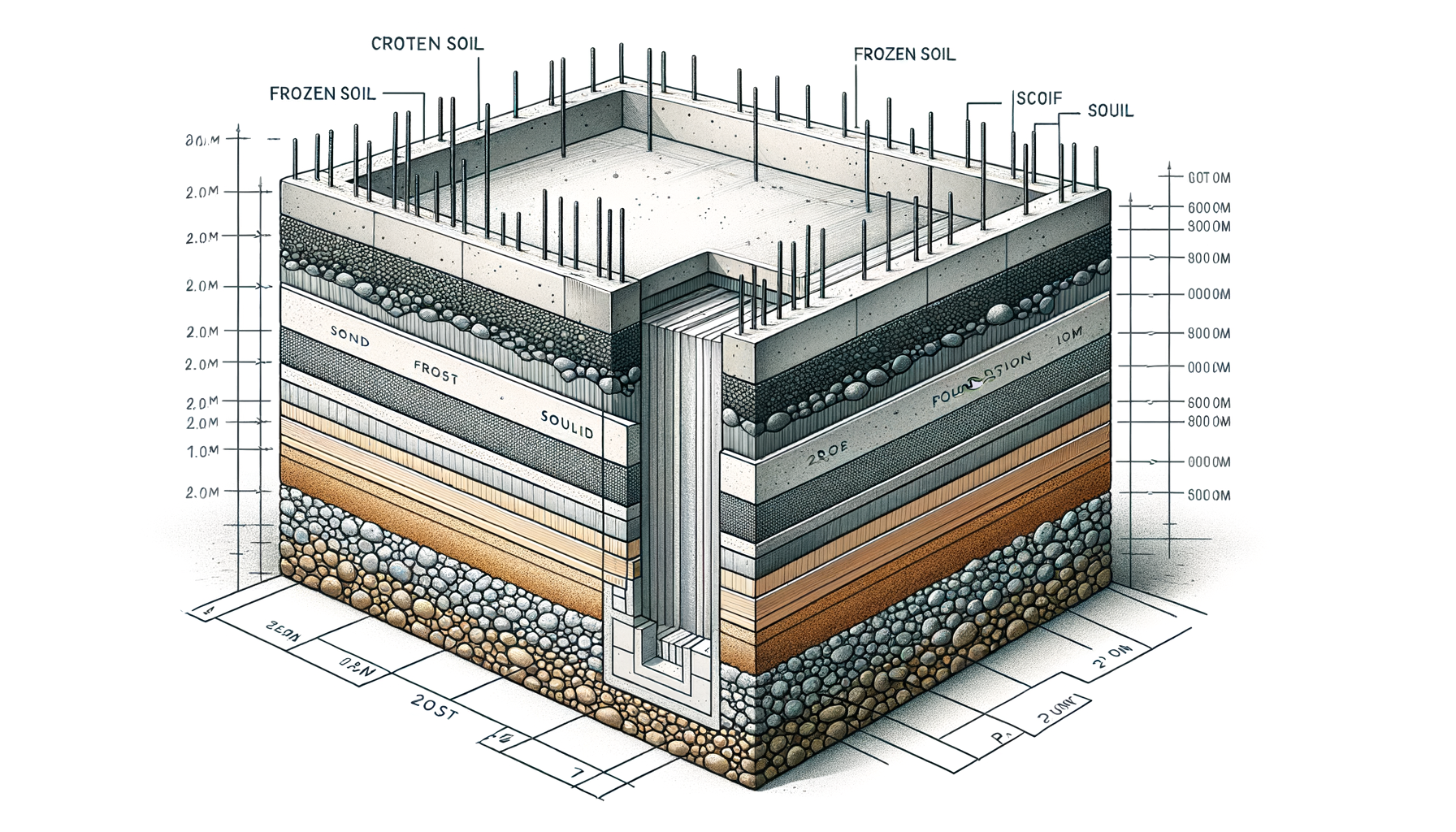
Concrete footings must extend below the frost line to prevent frost heave—the destructive upward movement caused when frozen ground expands. If your footing is too shallow, freeze-thaw cycles will crack and shift your structure over time.
Understanding Frost Lines
The frost line (also called frost depth) is how deep the ground freezes in winter. Building codes require footings to be placed below this depth. The frost line varies dramatically by region—from 0 inches in Southern Florida to over 80 inches in Northern Minnesota.
Frost Depth by Region
Southern States (0-12 inches)
Florida, Southern Texas, Louisiana, Hawaii: Minimal frost concerns. Footings typically 12-18 inches deep (for structural reasons, not frost protection). Some areas have no frost line requirements.
Mid-South States (12-24 inches)
Georgia, Alabama, Mississippi, Arkansas, Tennessee, North Carolina, Arizona, New Mexico: Frost line 12-24 inches. Footings should be 18-30 inches deep minimum.
Central States (24-36 inches)
Virginia, Kentucky, Missouri, Kansas, Oklahoma, Colorado, Utah, Nevada: Frost line 24-36 inches. Footings need to reach 30-42 inches deep.
Northern States (36-48 inches)
Pennsylvania, Ohio, Indiana, Illinois, Iowa, Nebraska, Oregon, Washington: Frost line 36-48 inches. Plan for footings 42-54 inches deep.
Cold Climate States (48-72+ inches)
New York, Michigan, Wisconsin, Minnesota, North Dakota, Montana, Maine, Vermont, New Hampshire: Frost line 48-72+ inches. Footings may need to be 5-7 feet deep in the coldest areas.
Alaska
Special consideration: Permafrost zones require specialized foundation techniques. Some areas have frost lines exceeding 100 inches. Consult local codes carefully.
How to Find Your Exact Frost Line
- Local Building Department: Your city/county building department has the official frost depth for your area. This is the most reliable source.
- Building Code: Check your local building code (usually based on International Building Code or International Residential Code).
- Soil Survey: USDA soil surveys sometimes include frost depth information.
Common Footing Depths by Structure
Deck Footings
Must reach below frost line plus 6 inches. A typical deck footing in a 36-inch frost zone should be 42 inches deep minimum.
Fence Posts
At minimum, fence posts should be 1/3 of total post length in ground plus below frost line. In cold climates, this often means 3-4 foot deep holes.
Foundation Footings
Home foundations must be below frost line. Most codes also require minimum 12-inch footing thickness. A 36-inch frost zone might require a 42-48 inch deep footing that's 12 inches thick.
Pole Barn Posts
Generally 4-6 feet deep, always below frost line. The deeper the better for stability.
Tips for Cold Climate Footings
- Dig in fall: Ground is easier to dig before it freezes
- Insulate forms: If pouring in cold weather, insulate the concrete while curing
- Consider tube forms: Sonotube or similar makes deep holes easier
- Use gravel base: 6 inches of gravel below footing aids drainage and reduces frost heave
Calculate Your Footing Size
Once you know your required depth, use our concrete footing calculator to determine exactly how much concrete you need. Select the FOOTING tab, enter your dimensions, and get precise volume calculations.
About Concretegator
We're dedicated to helping homeowners, DIY enthusiasts, and contractors get their concrete projects right the first time. Our guides combine practical experience with professional knowledge to deliver accurate, actionable advice.
Related Articles
How to Remove Concrete Stains: Oil, Rust, Paint, and More
Remove stubborn stains from concrete with the right method. Step-by-step guides for oil, rust, paint, tire marks, and other common concrete stains.
Stamped Concrete vs Pavers: Cost, Durability, and Maintenance Compared
Choosing between stamped concrete and pavers? Compare costs, durability, maintenance, and appearance to make the right decision for your patio or driveway.
How to Seal Concrete: Complete Guide to Concrete Sealers
Protect your concrete with the right sealer. Learn about penetrating vs film-forming sealers, when to apply, and step-by-step application instructions.