
Sonotube Calculator
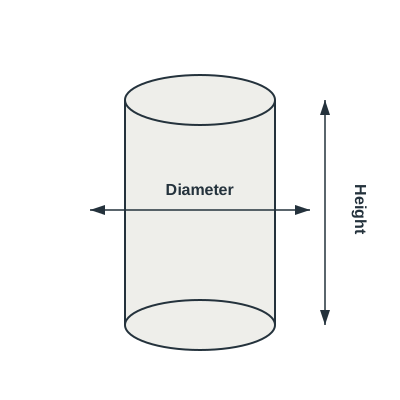
Enter the inside diameter and filled height of one round form to calculate its concrete volume.
Bag Configuration
Concrete Volume
Cubic Yards
How many ready mixed bags
Estimated Cost
$0.00
Concrete for a Sonotube, pier, or round column
Measure the inside diameter of the round form and the height that will actually be filled. The calculator uses the cylinder formula: pi multiplied by the radius squared and the filled height. The result is shown in cubic yards or cubic meters and converted into common bag sizes.
This route calculates one round form. If you have several identical tubes, multiply the displayed volume and bag quantities by the number of tubes. Calculate different diameters separately. Measure the inside dimension because nominal form sizes and outside diameters can differ.
For a mixed set of piers, group tubes by inside diameter and filled height. Calculate one tube in each group, multiply by that group's count, and add the group volumes. A flared base, bell, square pad, or enlarged footing is not part of the cylinder; calculate that lower section separately and add it before ordering.
Frost depth is not a single nationwide value. Climate, soil, exposure, heated structures, local amendments, and the type of supported structure can change the required embedment and foundation detail. Confirm the approved depth and base configuration locally before entering the filled height. Our frost-depth guide is planning context, not a substitute for local requirements.
Keep forms plumb and brace them before placement. Frost depth, soil conditions, post loads, reinforcement, and required footing bells or pads must be confirmed for the project and jurisdiction. Irregular bases need their own volume added to the cylindrical shaft.
Brace each tube in more than one direction and support it so it cannot float, lean, spread, or settle as concrete is placed. Recheck the centerline, elevation, plumb, and exposed height after bracing. Place concrete in a controlled way; dumping a heavy load against one side can move the form. Follow the project requirements for consolidation without damaging the cardboard form or displacing reinforcement and anchors.
Round forms may hold water or loose material after excavation. Inspect and prepare the hole before measuring the final fill. The calculator reports geometric volume, so discuss a sensible ordering allowance with the supplier when holes are rough, bases are irregular, or several tubes must be filled in one operation.